12 DECEMBER 2025
Year in review 2025: Building healthier urban futures together
What does it look like when cities treat health as a part of daily life rather than a distant goal? In 2025, cities and partners across the Cities for Better Health network answered this question through local projects that made daily movement and healthy eating easier for thousands of residents.
Introduction
On a football pitch in a low-income neighbourhood of São Paulo, young girls gather for an all-girls training session led by community coaches. Until recently, sessions like this were uncommon. In 2025, Football for Better Health collaborated with local groups to create safe, inclusive spaces where girls can play, grow, and thrive.
This scene was one of many around the world in 2025 as cities made healthy living a priority. Over the year, Cities for Better Health saw its mission come to life on the ground. From enabling cycling access to healthier school food, local partners worked hard to make healthy choices easier and more appealing.
New cities join, local initiatives expand
Two new cities – Cali, Colombia, and Bangkok, Thailand – joined the Cities for Better Health network in 2025, stacking up to 54 cities across 30 countries. In Cali, local partners launched a citywide programme encouraging daily exercise, nutrition education and community well-being. Bangkok, the network’s first member in Thailand, introduced a healthy living curriculum in schools and began carving out more recreational public space for walking, sport and play.
Elsewhere, cities already in the network pushed their initiatives further. In Turku, Finland, a free sports voucher programme for children drew high-profile attention – even a royal visitor came to see how it’s getting more kids active. In Campinas, Brazil, Passos para uma vida melhor (Steps to a Better Life) has reached over 18,000 residents with community-driven health programmes, earning it an innovation award.
Focus on children and active living
To improve children’s health, the Childhood Obesity Prevention Initiative (COPI) was established in six cities across Australia, Brazil, Canada, Japan, South Africa and Spain. Over the year, the initiative signed 14 agreements with local partners, engaged 106 schools for data collection and implementation, designed 29 interventions, and collected baseline data on more than 8000 children – providing a clearer picture of kids’ health and a foundation to measure progress over time.
These projects took shape in different ways around the world. In Spain, an agreement was signed with Madrid Salud, the city’s public health agency, to strengthen and scale their long-standing Coles con ALAS programme in 16 schools. In Mississauga, partners assessed local needs around school food and play spaces to drive meaningful co-creation of activities with schools and communities. In Johannesburg, COPI is tied to a broader provincial health promotion campaign to give child health efforts a boost in 10 schools across Soweto.
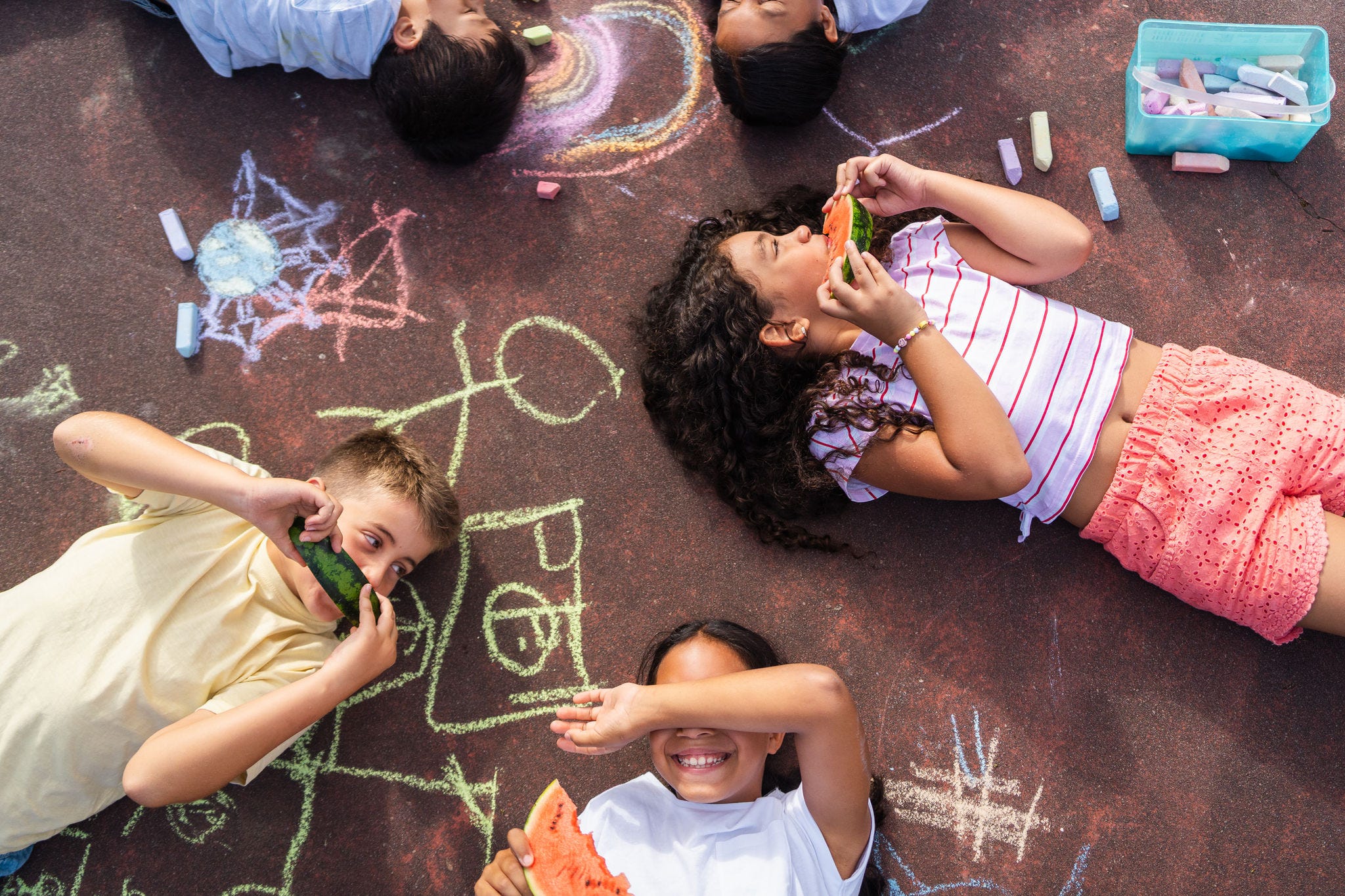
Providing opportunities so that all kids can engage in daily movement is a common theme across the network. Football for Better Health in São Paulo collaborated with 20 community organisations to train 40 local leaders and reach more girls with football-inspired activities and mentorship. The Healthy Cycling Challenge also marked a milestone year. A record of 243 applications came in from around the world, and three inspiring winners from Peru, Nepal and Brazil were selected for their ideas to bring cycling into the heart of everyday life around the world.
Global partnerships to strengthen prevention
The year brought new opportunities to build evidence. A major milestone was the launch of a partnership with the University of Oxford’s Nuffield Department of Primary Care Health Services to model the long-term impact of the COPI approach. This work will help cities and governments understand the lasting health and economic benefits of early prevention, enabling informed investments for the future.
Partners also shared knowledge on key platforms. At the MOVE Congress, they launched the Active Children Coalition and introduced the Cycle for Better Health playbook, featuring insights from pilots in Bari, Bogotá, and Bratislava. At Velo-city, Cities for Better Health led a workshop on inclusive cycling that brought together cities, researchers and community organisations working to make every day cycling safer and more accessible.
Amplifying advocacy through global fora
Throughout the year, Cities for Better Health contributed to seven global events and conferences, including the World Health Assembly, the UN General Assembly, the World Health Summit and the C40 Summit. Across these forums, the message remained consistent and clear. Cities are at the front line of building healthier, more equitable futures, and prevention must be at the centre of urban agendas.
Cities for Better Health also continued its City Health Talk webinar series, bringing together city leaders, practitioners and global experts to share practical approaches to healthier urban environments. The discussions helped spotlight real-world solutions from across the network and strengthened peer learning throughout the year.
Looking forward together
The year closed with partner organisations gathering at the Cities for Better Health Partner Forum to reflect on progress and shape the path ahead. Three shared priorities surfaced across the network: deeper collaboration that connects experiences, stronger evidence to guide interventions and clearer alignment to turn ambition into coordinated action.
These priorities set the direction for 2026. With shared momentum and renewed purpose, Cities for Better Health will continue to work alongside cities, communities and partners to create environments where everyone can eat well, move more and thrive. Together, the network is building healthier urban futures for generations to come.
Sign up for the Cities for Better Health newsletter to be the first to hear about upcoming activities, stories and opportunities to engage.