29 OCTOBER 2025
COPI Madrid scales 'Coles con ALAS' initiative to improve child health
Local actors unite to support healthier futures for children in Madrid's disadvantaged communities under 'Coles con ALAS-COPI'
Introduction
In Spain, over one-third of children and adolescents carry excess, and in the capital Madrid, the figures are even more alarming 1 An estimated 40.9% of Madrid’s children aged 3 to 12 are now overweight or obese, with the proportion climbing to 46.7% in the city’s most socioeconomically disadvantaged communities.2 Officials warn that without intervention, these early weight issues often persist: about 55% of children with obesity will remain obese as teenagers, and 80% of those will continue to have obesity in adulthood.3
Confronted with this crisis, Madrid is taking action to improve child health with the introduction of Coles con ALAS-COPI, a new partnership to prevent childhood obesity in the city’s more disadvantaged districts.
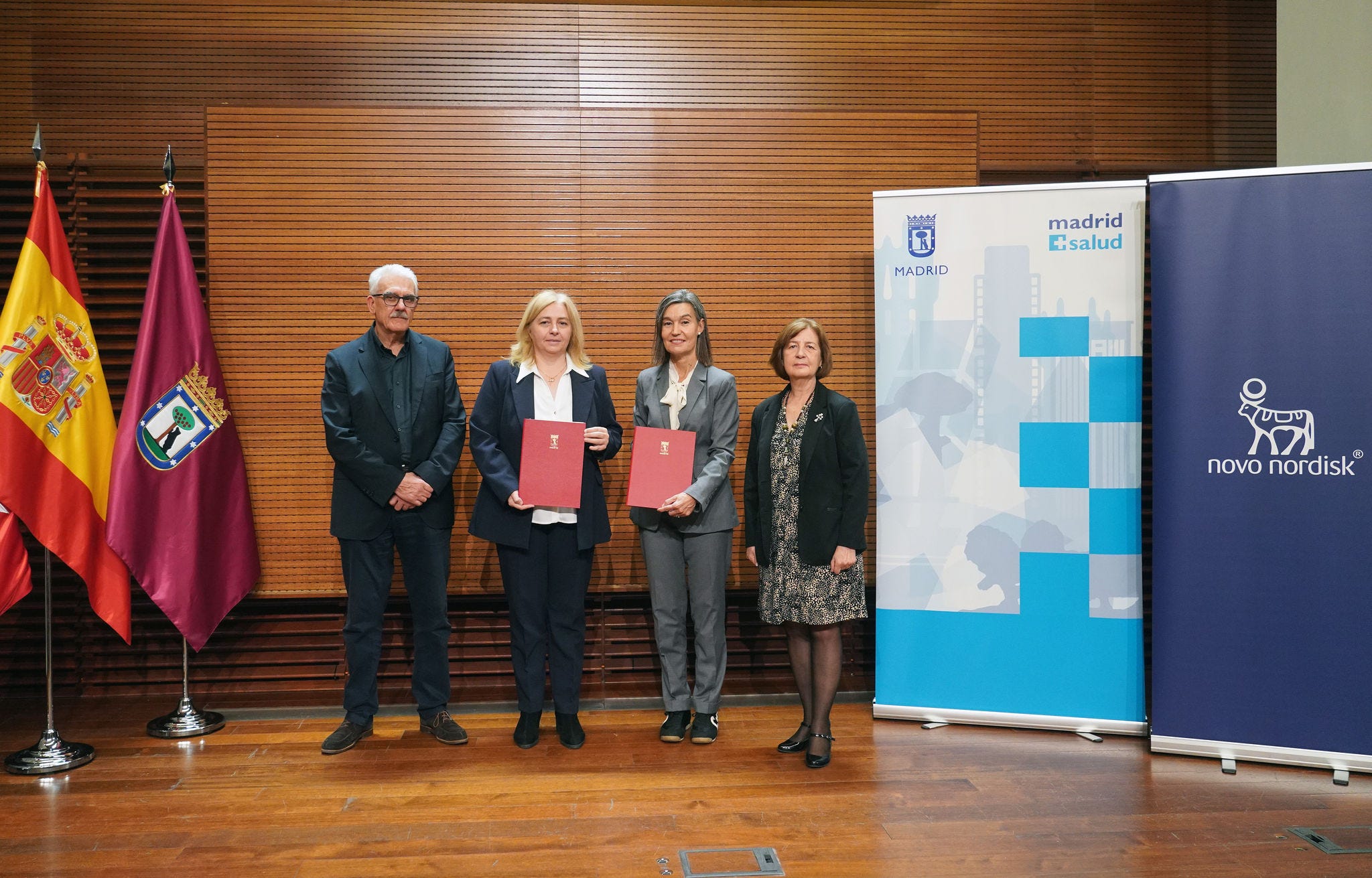
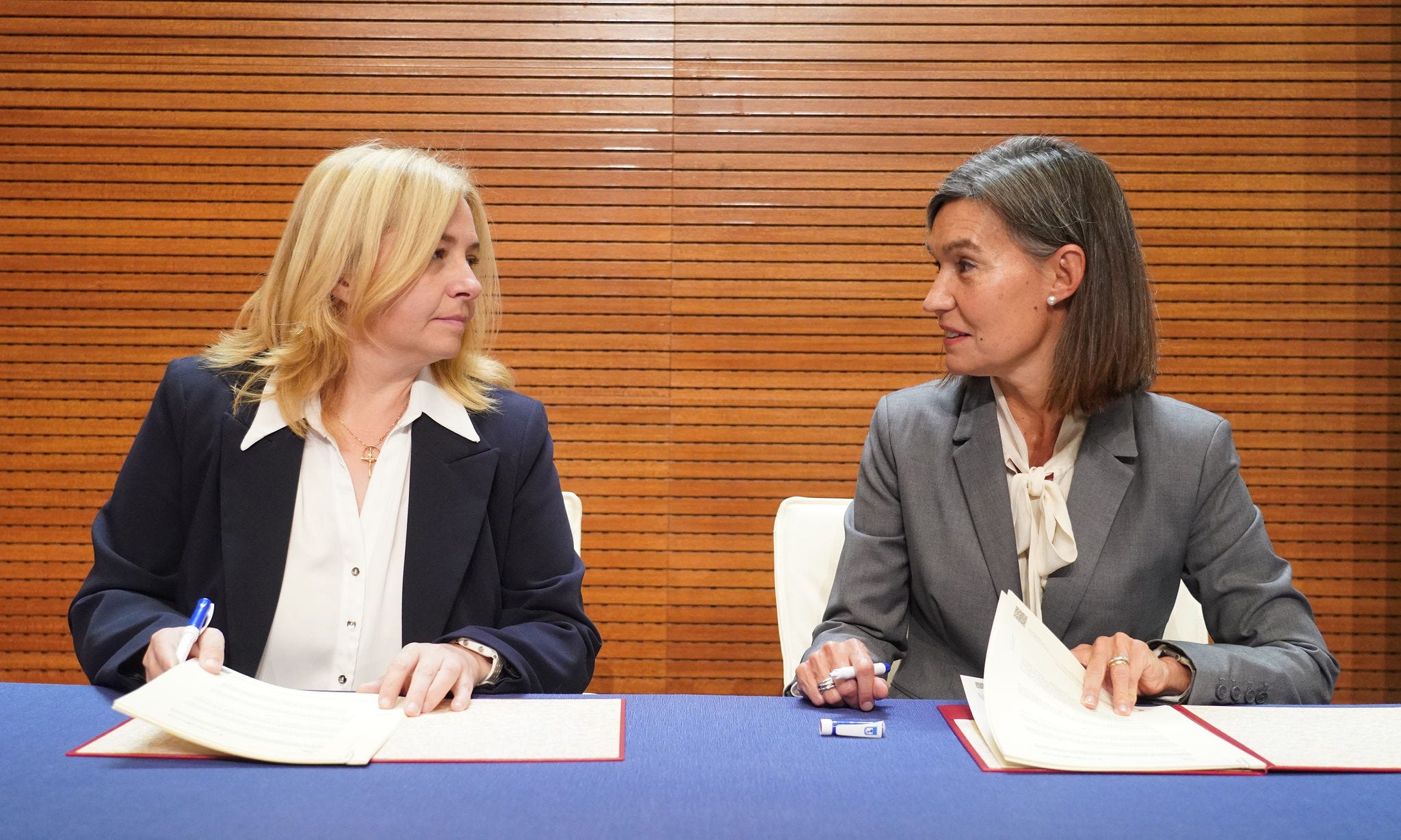
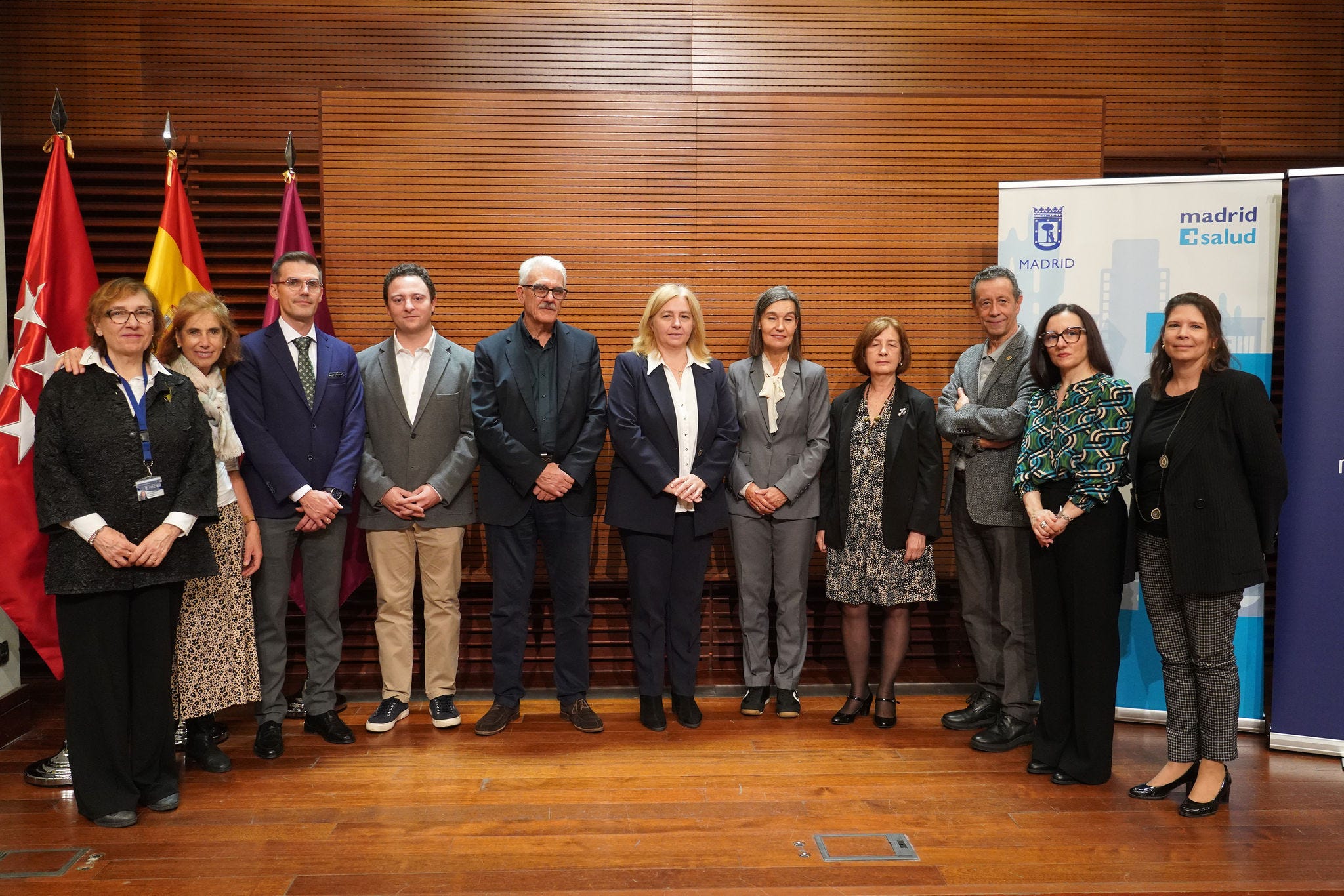
On 29 October 2025, Madrid Salud, the Nutritional Epidemiology Research Group at the Complutense University of Madrid (EPINUT) and Novo Nordisk signed a collaboration agreement to adapt the global Cities for Better Health Childhood Obesity Prevention Initiative (COPI) to Madrid’s local context and scale the success of the long-running Coles con ALAS programme.
Bringing healthier habits into daily routines
Coles con ALAS-COPI takes a holistic, community-centred approach by integrating nutrition education, physical activity and family involvement into the school day. The initiative will begin in 16 public schools, reaching nearly 5,000 children, their families and their wider communities. The initiative will introduce a package of multi-level activities rooted in Coles con ALAS. The vision is clear: help make healthy habits part of children’s everyday lives through practical, accessible and relevant interventions.
Through the intervention, children will participate in interactive sessions on food, movement, and well-being. Dedicated “healthy habits” days will be introduced to involve all classrooms and the school community. School menus will also be reviewed to increase nutritious, child-friendly options, helping make the healthier choice the easier choice throughout the school day.
Beyond the classroom, community-based activities will offer new opportunities for physical activity. Free and inclusive leisure programmes will be introduced in the districts with fewer resources, ranging from playful movement activities to family-based sessions in community spaces. Together, these interventions aim to make physical activity a natural and enjoyable part of daily routines.
Learning what works from day one
Evaluation is a central pillar of the initiative. The day after the signing ceremony, experts from Madrid Salud and EPINUT visited participating schools to conduct baseline measurements. This early data collection will allow partners to track progress over time and refine interventions as the programme evolves to maximise impact.
EPINUT will lead the local evaluation and contribute to the global assessment coordinated by academic partners, including the University of Oxford’s Nuffield Department of Primary Care Health Sciences. The findings will be published in scientific journals and used to inform future prevention strategies in cities worldwide.
A shared commitment to healthier neighbourhoods
Madrid now joins four other cities across Brazil, Canada, South Africa and Japan in adapting the Cities for Better Health COPI model, each working to address childhood obesity in disadvantaged urban communities.
The collaboration reflects a long-term commitment to building urban environments that support families, strengthen prevention and give every child the chance to live a healthy life.
Learn more about the Childhood Obesity Prevention Initiative
References
- Gómez SF, Lorenzo L, et al. Resultados principales del estudio PASOS 2019 sobre la actividad física, los estilos de vida y la obesidad de la población española de 8 a 16 años. Sant Boi de Llobregat, Spain: Gasol Foundation; 2019. Accessed 4 December 2025. https://gasolfoundation.org/wp-content/uploads/2020/01/Estudio-PASOS-2019.pdf
- Madrid Salud. Estudio de la situación nutricional de la población infantil en la ciudad de Madrid. Madrid, Spain: Ayuntamiento de Madrid; 2017. Accessed 4 December 2025. https://madridsalud.es/pdfs/INFORME%20ESTUDIO%20NUTRICION%20INFANTIL%20v2.pdf
- Simmonds M, Llewellyn A, Owen CG, et al. Predicting adult obesity from childhood obesity: a systematic review and meta-analysis. Obes Rev. 2016;17(2):95-107.