29 OCTOBER 2025
2025 Partner Forum: Shaping healthier cities together
At the 2025 Partner Forum in Copenhagen, Cities for Better Health partners came together to reflect, connect and explore how stronger collaboration can turn ambition into lasting impact.
Introduction
On 29 October, over 45 participants from 25 organisations gathered for the Cities for Better Health Partner Forum to discuss how cross-sector partnerships can accelerate primary prevention in cities. The day brought together community organisations, civil society, academia and global institutions to share experiences, strengthen alignment and help shape the next chapter of the programme.
“As Cities for Better Health has grown, we’ve welcomed new cities and partners and built a stronger, more connected network. The focus now is to build on that foundation – working together, aligning our capabilities and strengthening our shared commitment to achieve even greater impact.” – Jo Jewell, Director, Cities for Better Health
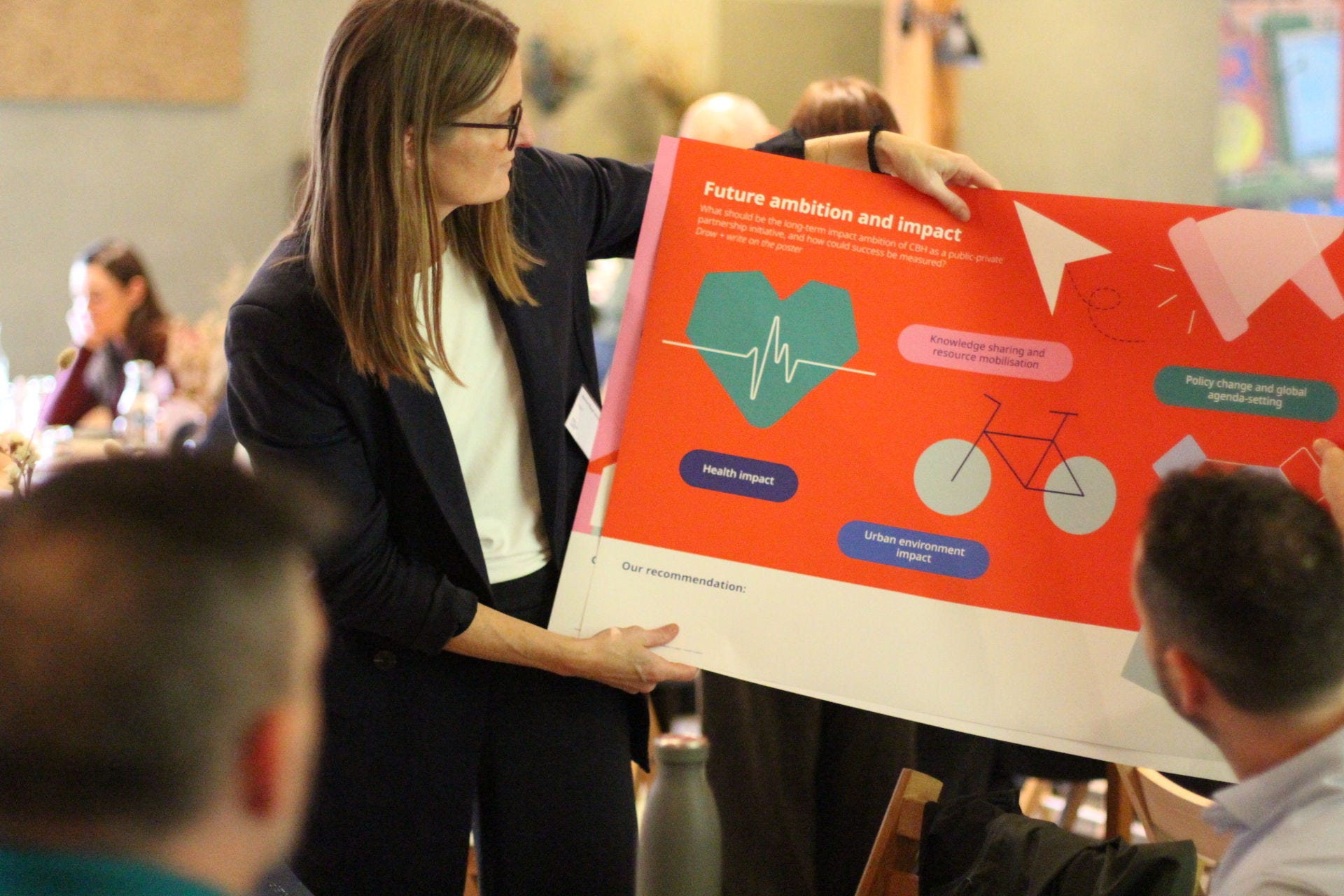
Turning shared goals into collective impact
Discussions centred on how local action can embed prevention into the places where people live, move and connect – from streets and schools to neighbourhood food systems – so that healthier choices become the easiest ones.
“What makes Cities for Better Health impactful is its combined focus on healthy food and physical activity,” said Laurianne Krid, CEO, European Cyclists’ Federation (ECF). “Looking at both together creates a more holistic approach to prevention – one that reflects how people actually live in cities.”
Partners emphasised that the programme’s strength lies in its focus on prevention, equity and place-based approaches, linking healthy food and physical activity through interventions that are effective and scalable.
“Cities for Better Health stands out because of its clear focus – knowing what we want to achieve and why. Cities are changing fast, and urban planning can’t always keep pace. That creates a gap in opportunities for children and young people to be active, and this is where Cities for Better Health can make a real difference.” – Jasper Schipperjin, Professor, University of Southern Denmark
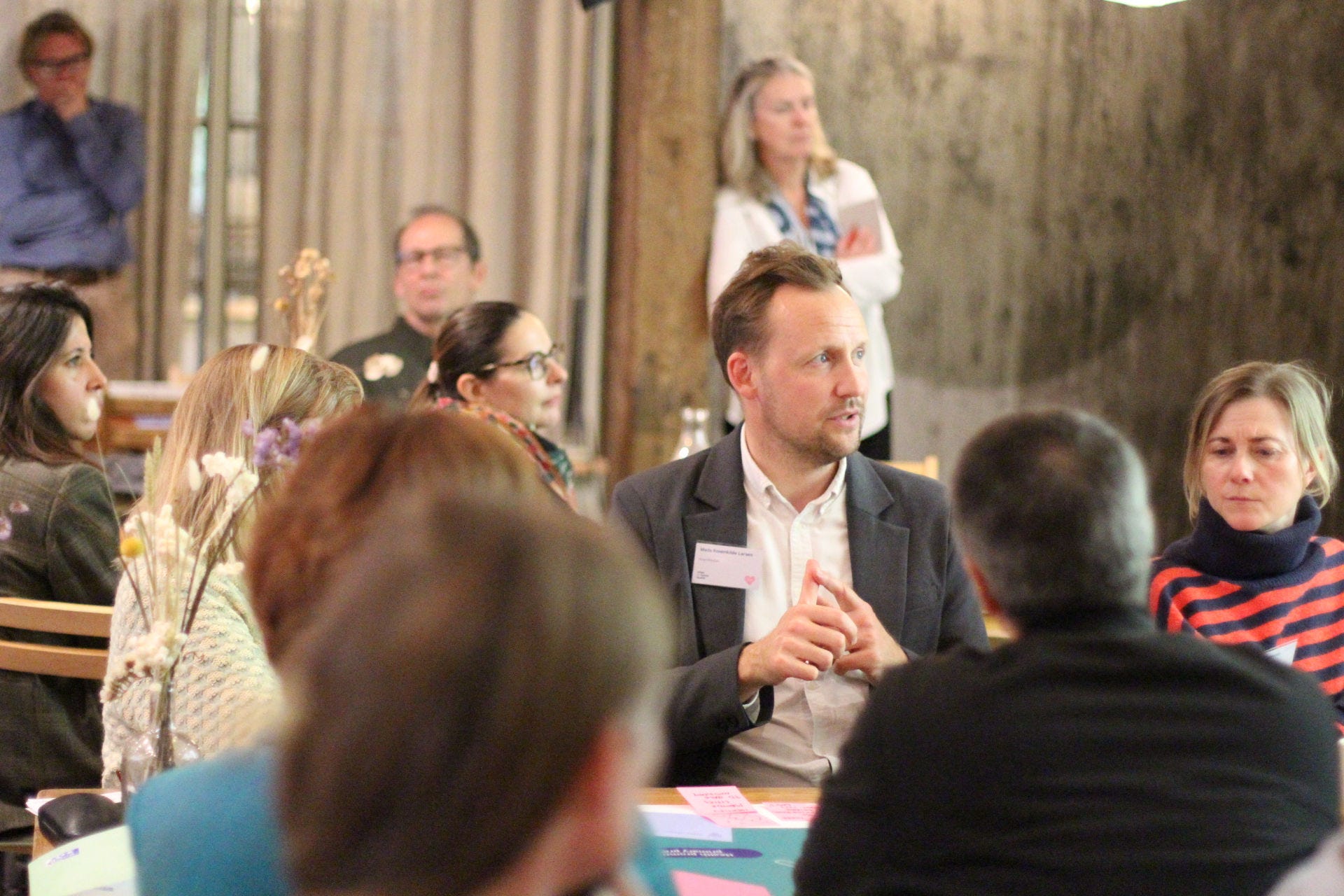
Shaping the path forward
Looking ahead, partners agreed that the future of Cities for Better Health lies in deeper, more connected collaboration. They highlighted opportunities to further system-level transformation – integrating health into planning, transport, food and climate agendas so that well-being becomes a shared outcome across city systems.
Partners also discussed the importance of measuring what matters, combining health data with social and policy insights to capture not only what changes, but how change happens.
Looking ahead
The 2025 Partner Forum reaffirmed what Cities for Better Health is all about: collaboration and collective action to accelerate impactful primary prevention in urban communities.
Partners saw clear opportunities to build on what works by deepening collaboration across cities and sectors, using shared evidence to guide learning and strengthening local ownership to sustain change.
The Partner Forum report capturing key insights and reflections can be found here. Click here