31 OCTOBER 2025
Active Children Coalition and playbook launched at MOVE Congress
A new global coalition and a practical cycling playbook took centre stage at MOVE Congress 2025, as Cities for Better Health joined partners from across the world to push the physical activity policy agenda.
Introduction
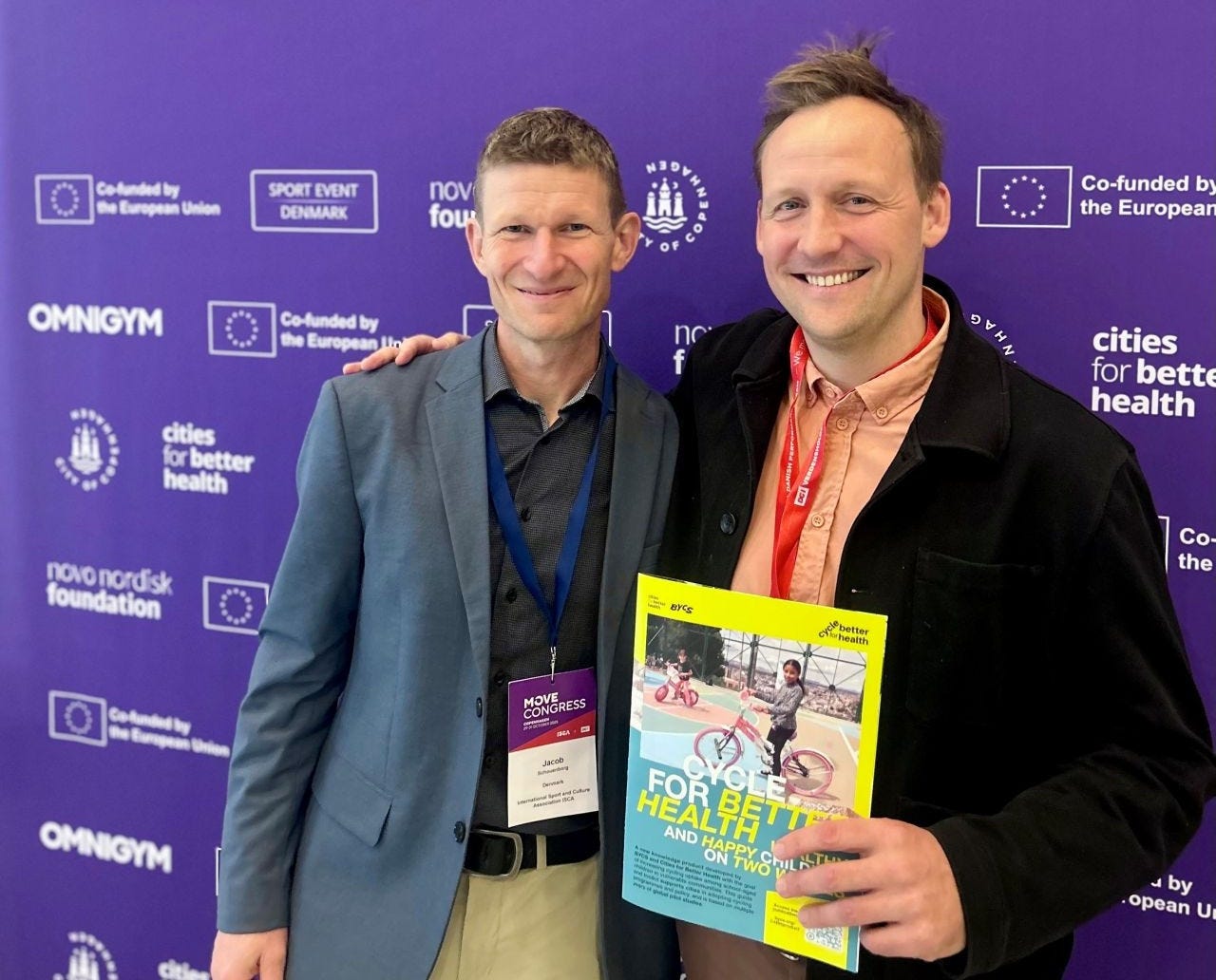
At the 12th edition of MOVE Congress, organisations, researchers, and city officials met to tackle a shared challenge: how to make physical activity more accessible and equitable. Cities for Better Health was there to share lessons from child-focused programmes, build partnerships and exchange ideas.
In the session "Co-creating Active Cities", Jo Jewell, Director of Cities for Better Health, brought together speakers from Helsinki, Guatemala, and Copenhagen to share best practice examples of co-creation between the civic, municipal, and private sectors.
The discussion focused on practical, often low-cost ways for cities to engage communities, reshape streets and built environments, and open up more sustainable opportunities to be physically active.
New global coalition takes aim at inactivity crisis
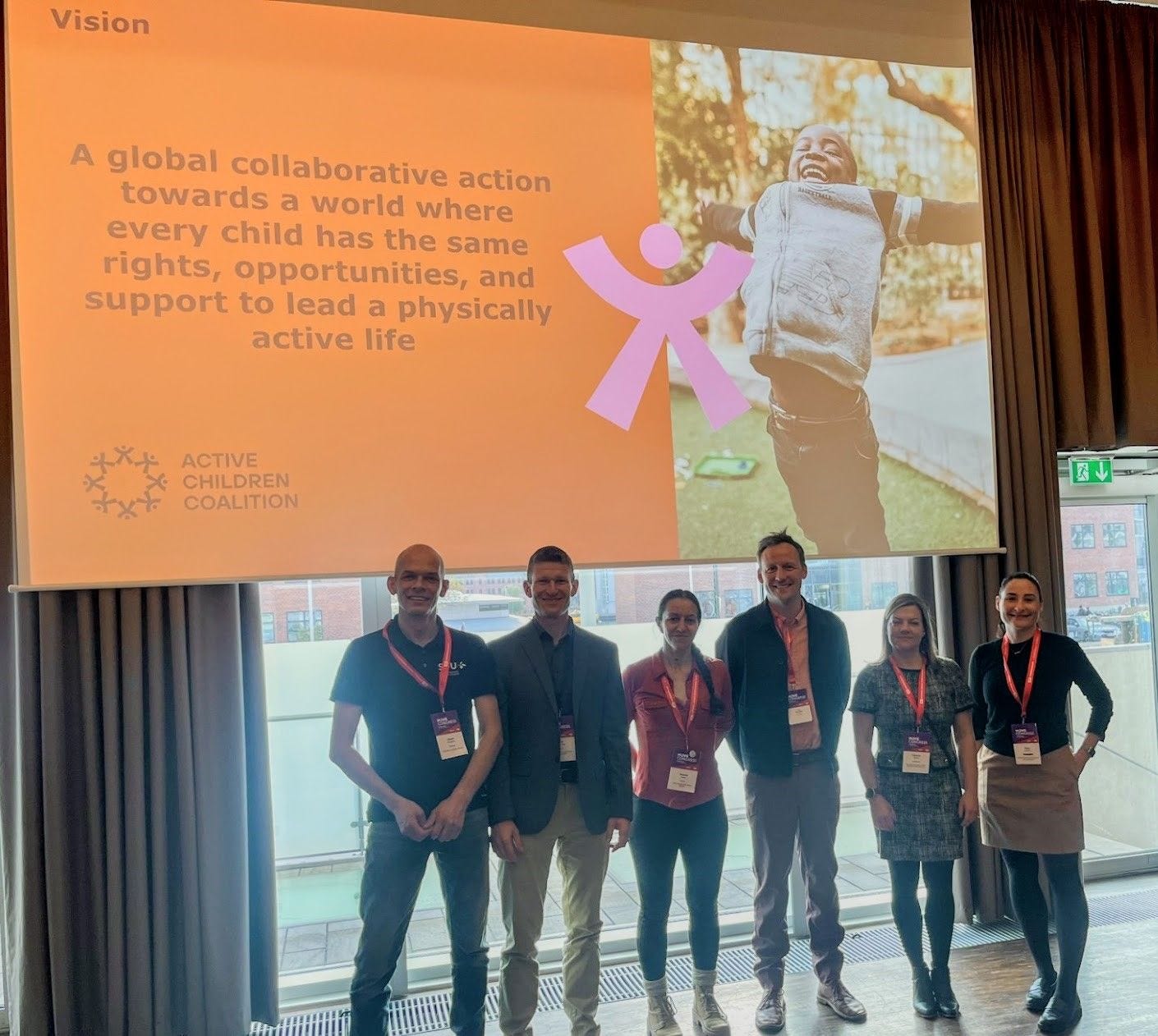
The Congress marked the official launch of the Active Children Coalition (ACC), the first global cross-sectoral coalition dedicated to tackling the alarming rates of physical inactivity among children and adolescents. With 4 in 5 young people not physically active enough to support their physical, social, and mental health, the ACC aims to drive coordinated action as a hub for cross-sectoral collaboration for physical activity.1
The coalition brings together a diverse group of founding members: Cities for Better Health, the International Sport and Culture Association (ISCA), International Society for Physical Activity and Health (ISPAH), World Federation of the Sporting Goods Industry (WFSGI), Active Healthy Kids Global Alliance (AHKGA), and the University of Southern Denmark. The novelty of this initiative is that all solutions from policy to action must be rooted across different sectors as we believe the challenge of physical inactivity cannot be tackled by one sector in isolation.
Cycling playbook puts children at the centre of city action
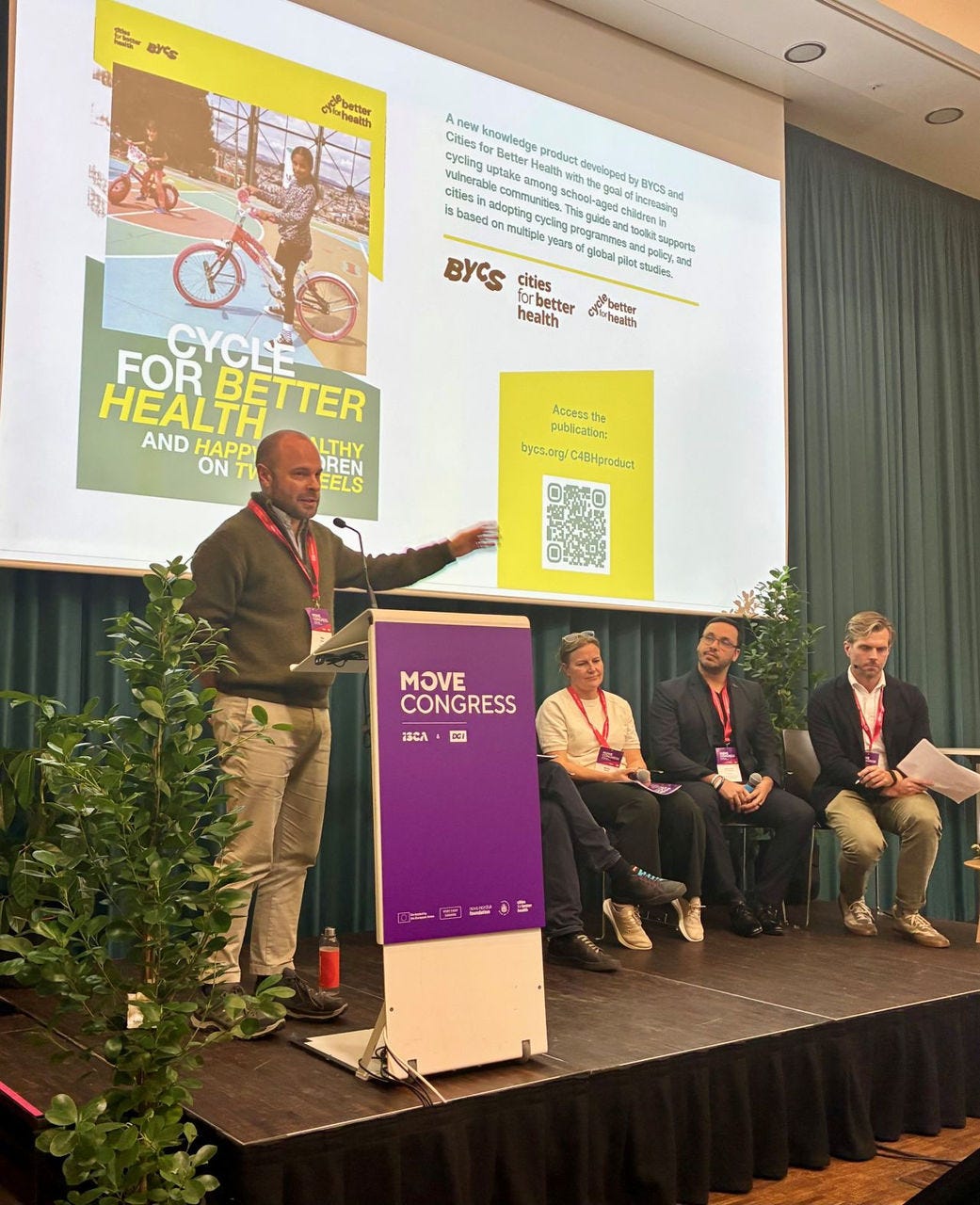
The Congress also saw the launch of Cycle for Better Health: Healthy and Happy Children on Two Wheels, a programme guide and toolkit co-developed by BYCS and Cities for Better Health.
The guide and toolkit offer clear, step-by-step support for cities and organisations looking to implement and scale the Cycle for Better Health programme. It draws on evidence and practical lessons from pilots in Bari, Bogotá and Bratislava, where more than 750 children have already participated, with promising results for both physical activity and well-being.
The playbook goes beyond implementation checklists. It outlines policy recommendations to help city and national decision-makers integrate active mobility and child-friendly cycling environments into broader strategies. The aim is long-term, systemic change, going beyond short-term projects
Access the Cycle for Better Health programme guide and toolkit
A holistic approach to physical activity
Together, these launches show how Cities for Better Health supports physical activity at every level. The Active Children’s Coalition will help set a stronger global agenda for active mobility, and the Cycle for Better Health playbook will guide community-based action in neighbourhoods, with the MOVE Congress connecting global insights with local experience through shared learning. This multi-level approach reflects Cities for Better Health’s commitment to shaping healthier environments and making daily movement accessible to children everywhere no matter where they live.
References
- Guthold R, Stevens GA, Riley LM, Bull FC. Global trends in insufficient physical activity among adolescents: a pooled analysis of 298 population-based surveys with 1·6 million participants. The Lancet Child & Adolescent Health. 2020;4(1):23-35. doi:10.1016/S2352-4642(19)30323-2