
02 OCTOBER 2025
The Paradox of Proximity: Exploring urban loneliness
Why do people still feel lonely in cities full of life and movement? The Paradox of Proximity publication looks at this contradiction and offers insights for how urban design can help strengthen everyday connection.
Introduction
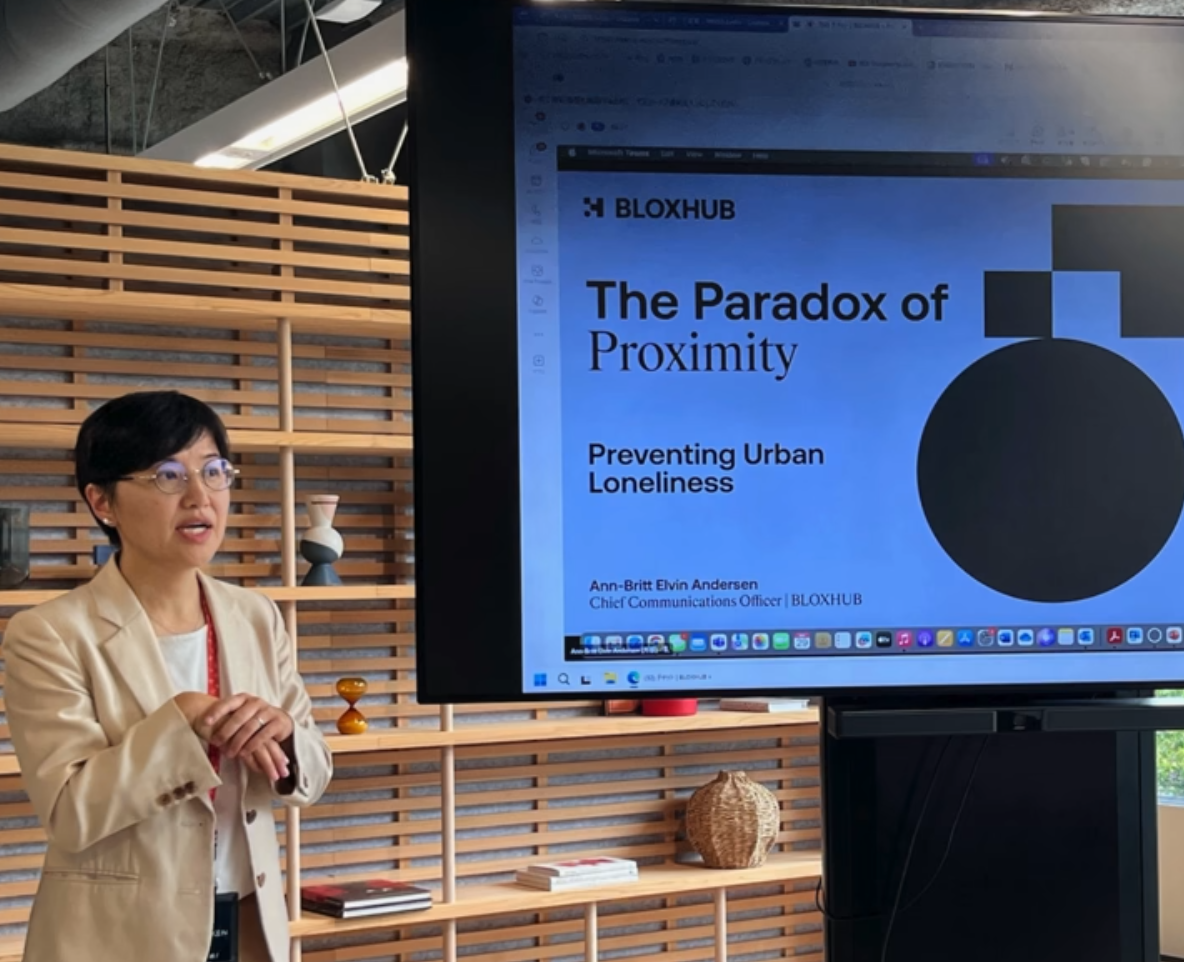
A new international publication, The Paradox of Proximity, is calling attention to a rising yet often overlooked urban challenge: loneliness. Authored by BLOXHUB and developed in collaboration with Cities for Better Health and PYNT, the publication draws on interviews with experts from around the world to explore how cities, organisations and individuals are tackling this challenge through interactions, intergenerational sites and social capital .
Why proximity does not always mean connection
Cities bring people physically close, yet many residents still feel lonely. Dense neighbourhoods, busy streets and shared buildings can still feel isolating when the design of everyday spaces does not support interaction.
The Paradox of Proximity highlights that city design can help prevent loneliness by creating places where people naturally meet, talk and build relationships. Through stories from Canada, Japan, South Korea, Finland, Denmark and France, the book shows how everyday design choices shape social well-being. Fine-grained streetscapes, shared housing models, active mobility, community networks and public spaces all play a role in whether people feel part of a community.
Many cities invest in physical infrastructure but overlook the social programming needed to activate these spaces, making meaningful interaction less likely. The publication explores how a proactive, multifaceted approach to urban design can bridge this gap by creating social infrastructure that enables social interaction and community building.
Local launches around the world
To spark local conversations and connect the publication’s insights to on-the-ground realities, the Paradox of Proximity is being introduced through a series of local launches worldwide.
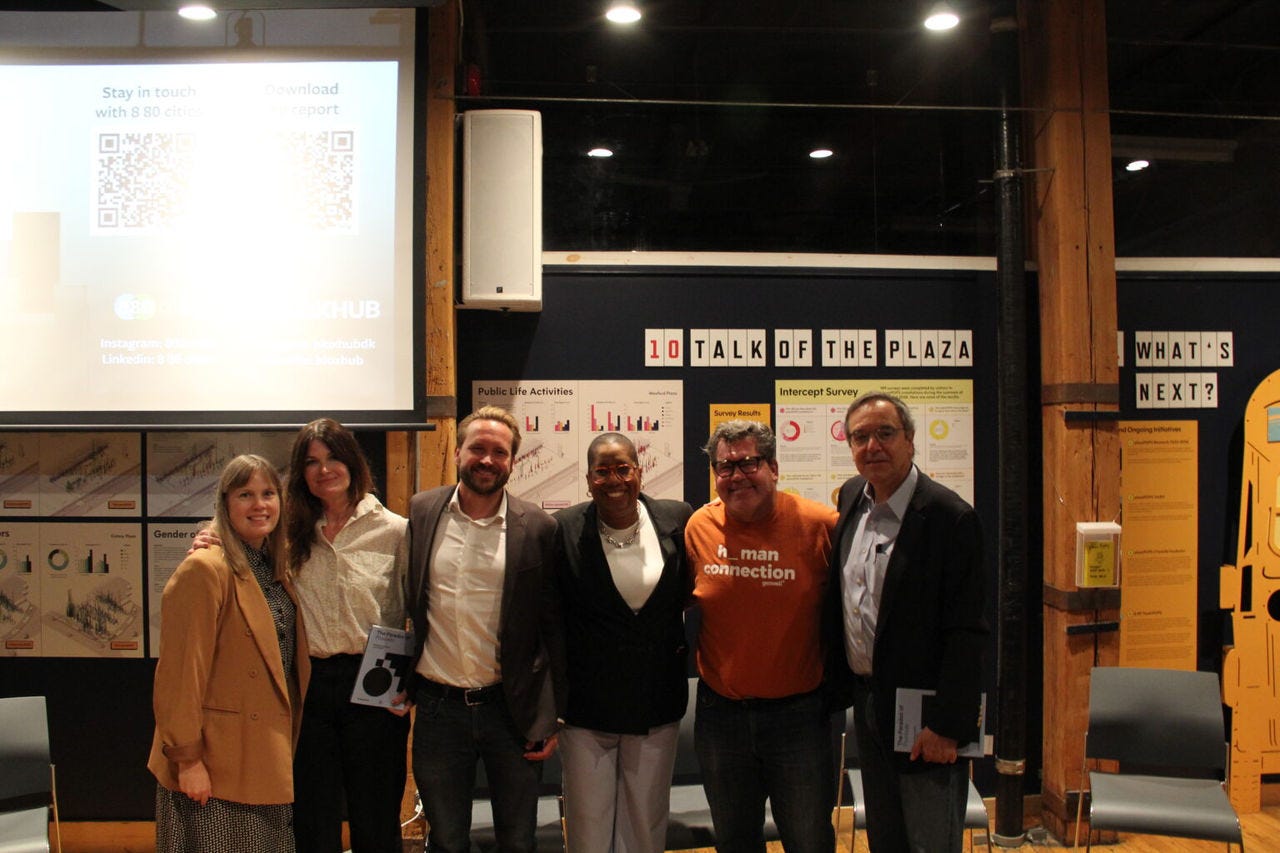
In Toronto, Cities for Better Health and other partners joined a public panel and a City Builders Breakfast hosted by 8 80 Cities to explore how rising housing costs, stretched distances and underused public spaces shape everyday connection. Speakers highlighted that Toronto, like many cities, already has strong assets – such as libraries, parks, community gardens and neighbourhood networks – and that the challenge is in bringing people and sectors together to activate them.
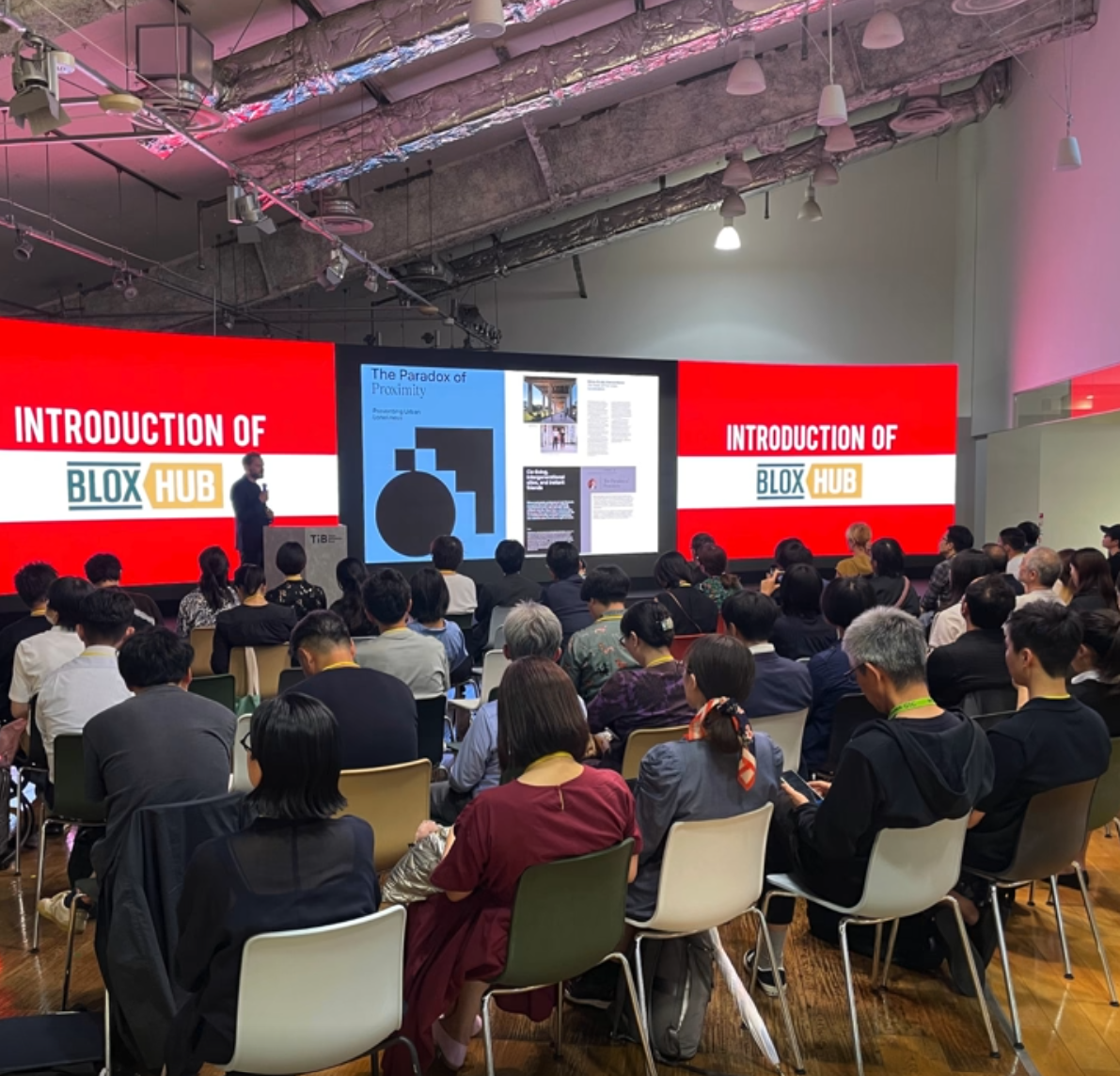
In Japan , a second launch at the Nordic pavilion during the Osaka Expo featured BLOXHUB, Gehl, Cities for Better Health, and Nikken Sekkei, in front of an interdisciplinary audience of architects, planners, and health experts. The discussion drew on insights from the publication. It opened a cross-cultural conversation on loneliness in Nordic countries compared with Japan, including how dense and efficient megacities like Tokyo can be designed for belonging rather than only movement.
Subsequent launches are planned in Copenhagen and Seoul early next year, inviting local partners to reflect on how the publication’s ideas resonate in their own context, and charting a way forward for partners to collaborate and act locally.
A growing conversation
As loneliness and mental health issues rise on city agendas globally, The Paradox of Proximity offers a timely resource for cities seeking to create environments that foster connection and belonging. The growing evidence on the bidirectional link between mental health and cardiometabolic diseases emphasises the importance of strengthening social conditions that help prevent and reduce these risks.
By sharing recommendations, stories and practical insights, the publication aims to open a wider conversation and showcase how cities can address this growing challenge and build a new global community of practice focused on reducing loneliness.
