19 JANUARY 2026
COPI Japan launches interventions for child health promotion
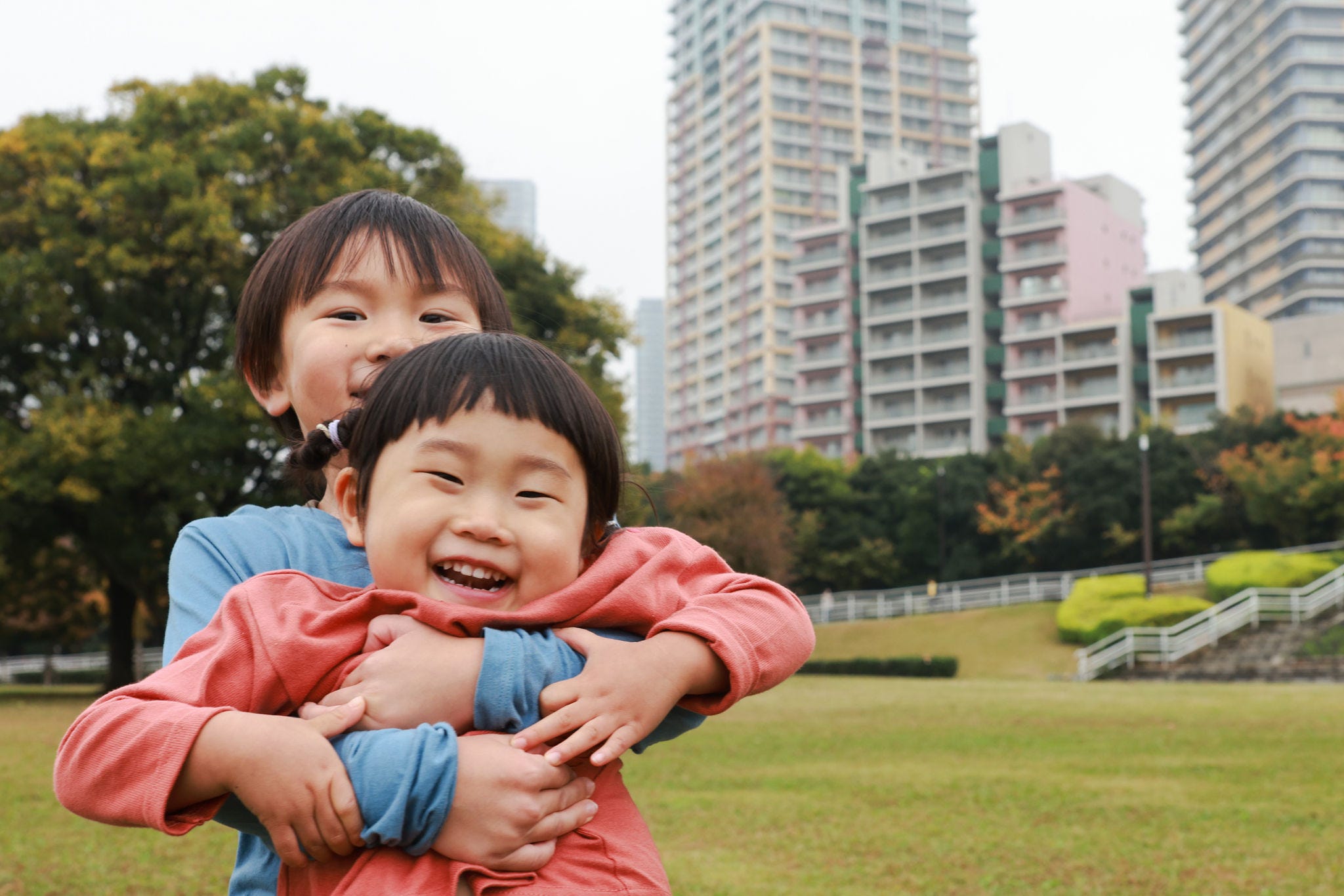
In Chiba City, just east of Tokyo, local partners are joining forces to create a healthier future for children — leveraging the expertise of the city government, Chiba University, and partner companies to design, test, and scale interventions that foster lifelong healthy habits.
A model city for comprehensive obesity prevention
While childhood obesity rates in Japan remain relatively low compared to many other countries, they are gradually increasing due to lifestyle changes — more sedentary routines, westernized diets, and fewer opportunities for active play as families become smaller.
To address this emerging challenge, Chiba City is implementing the Childhood Health Promotion Initiative (“子どもの健康応援イニシアティブ”), Japan’s iteration of the six-country Childhood Obesity Prevention Initiative (COPI). In Japan, the initiative is part of the Chiba City Obesity and Obesity Disease Hotkakanai (No One Left Behind) Project, which aims to establish the city as a model for comprehensive countermeasures against obesity. The project spans the full continuum from childhood to adulthood, and from prevention to treatment — uniting public institutions, academia, and private partners to reimagine how a city can nurture health across generations.
Rolling out interventions in schools and communities
The Childhood Health Promotion Initiative recognizes that health is shaped by more than individual choices — it is also defined by the environments in which children live, learn, and play. The project has therefore adopted a multi-level, community-based approach, engaging individuals, families, schools, and the broader city environment to co-design and launch a range of creative initiatives that bring healthier living into everyday life.
The Japanese startup A10 Lab has developed an innovative digital app that helps families build lasting habits, turning daily wellness into something both achievable and rewarding.
In schools, Kenko na Kuukan, a design firm dedicated to creating active, healthy environments, is designing gamified challenges that make physical activity fun and social, inspiring children to move more and enjoy doing it together.
Across the city’s parks, Nikken Sekkei Research Institute, an architectural and urban design firm known for its people-centered public spaces, is creating active play zones that invite spontaneous movement, transforming everyday spaces into places for discovery and play.
Oishii Kenko, a health-tech company, will launch a children’s ambassador program focused on healthy nutrition, encouraging participants to share their learnings with peers and families.
And to bring the community together around food, 7-Eleven Japan will host school workshops and family events that make healthy eating both accessible and enjoyable.
This close collaboration between local government, academia, and private-sector partners ensures that these interventions are both evidence-based and culturally grounded, rooted in the daily lives of children and families in Chiba City. The first intervention with A10 Lab has been launched, and the others will be rolled out over the next couple of months.
Generating evidence for sustainable impact
Evaluation is central to COPI. By monitoring changes in health-related outcomes and collecting data on specific interventions, the initiative is generating evidence on how the combined efforts across homes, schools, and communities are shifting behaviors and improving health for children and families.
Japan is among the first six COPI countries around the world to complete baseline data collection, providing valuable lessons that may guide and inspire others, locally and globally.
Through this collaborative and evidence-based approach, Japan’s COPI is helping to shape a sustainable, locally driven model for childhood obesity prevention — one that continues to evolve with and for the community.
Learn more about the global Childhood Obesity Prevention Initiative