16 November 2023
Advancing NCD prevention: CCD and Raven Indigenous Impact Foundation host masterclass on outcome-based financing
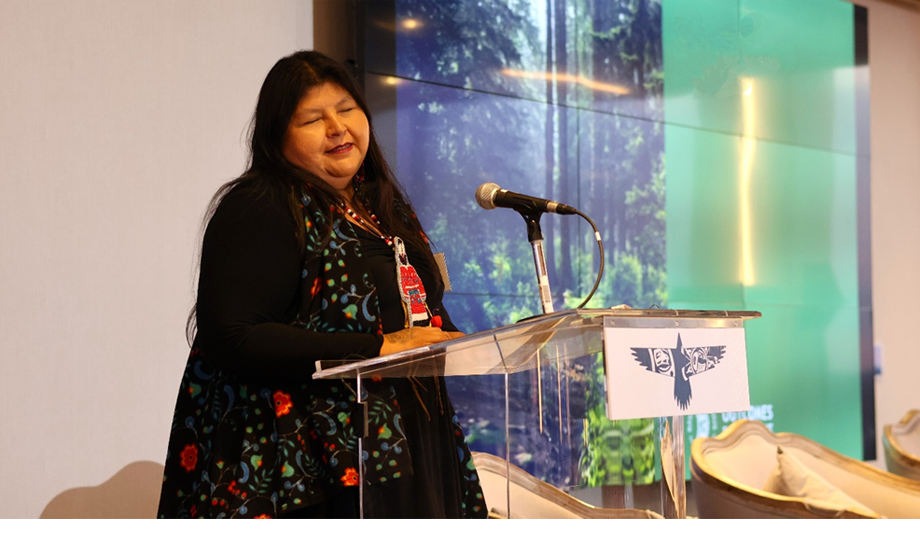
“What we do to
our bodies, we do
to the earth” –
Elder in
Residence at
Raven Impact
Foundation,
Wendy Phillips.
With these words, the second Outcomes-based funding Masterclass kicked off in Ottawa, Canada. On November 13 and 14, Cities Changing Diabetes, Raven Indigenous Impact Foundation and Dalberg explored how Outcome-Based Funding can help advance investments in initiatives preventing non-communicable diseases (NCDs). The masterclass had a specific focus on indigenous communities as the burden of diabetes and other NCDs is particularly high in these communities.
The Masterclass brought together three distinguished delegations and featured renowned speakers and a final pitch panel, marking a significant step forward in advancing conversation and actions on NCDs.
Why focus on
Outcome-Based
Financing?
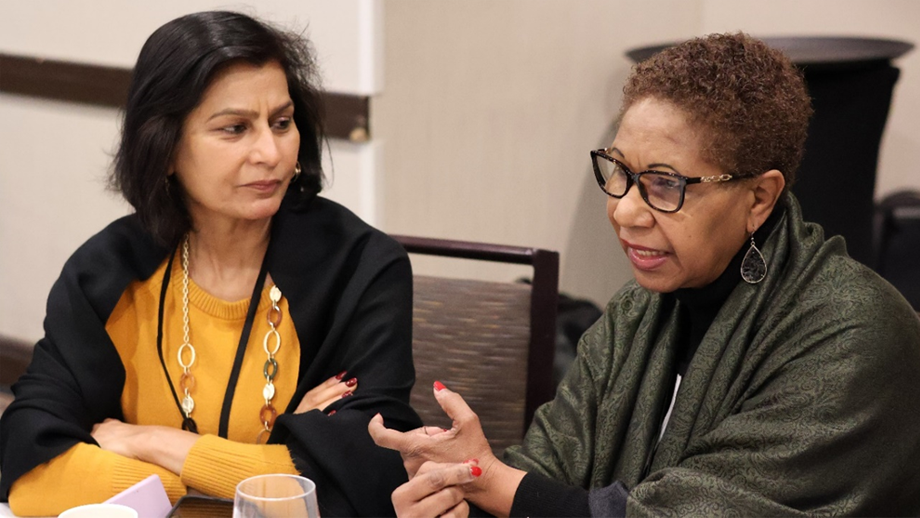
Outcome-based financing represents a paradigm shift in funding strategies for NCD prevention. Unlike traditional funding models that allocate resources based on activities or inputs, outcome-based financing centers around results and impact. This approach emphasizes accountability, efficiency, and effectiveness, aligning incentives with the achievement of measurable outcomes.
Advancing
knowledge and
uptake of
outcome-based
financing
The event saw the convergence of three distinguished delegations, each bringing a unique perspective to the discussion on NCD prevention. The delegation called “Peel Community-based Diabetes Solutions” from the University of Toronto showcased the Family-Centered Health and Wellness Coaching Program. Health and wellness coaching involves a person-centered approach, where people are actively involved in setting goals, engaging in self-discovery, and learning processes, and self-monitoring their behaviors with the support of a coach. Also coming from the University of Toronto was the “Road to Type 2 Diabetes Prevention”, which focused on a community-based diabetes prevention screening intervention, highlighting the significance of proactive measures in preventing the onset of type 2 diabetes. The program aims to reduce barriers to care by developing a culturally appropriate screening intervention that considers the impact of social determinants of health. Finally, the third delegation joined from the Oklahoma State University and underscored the importance of including Indigenous communities in shaping and restoring food systems and addressing health disparities.
Gathering
insights by
global and local
experts
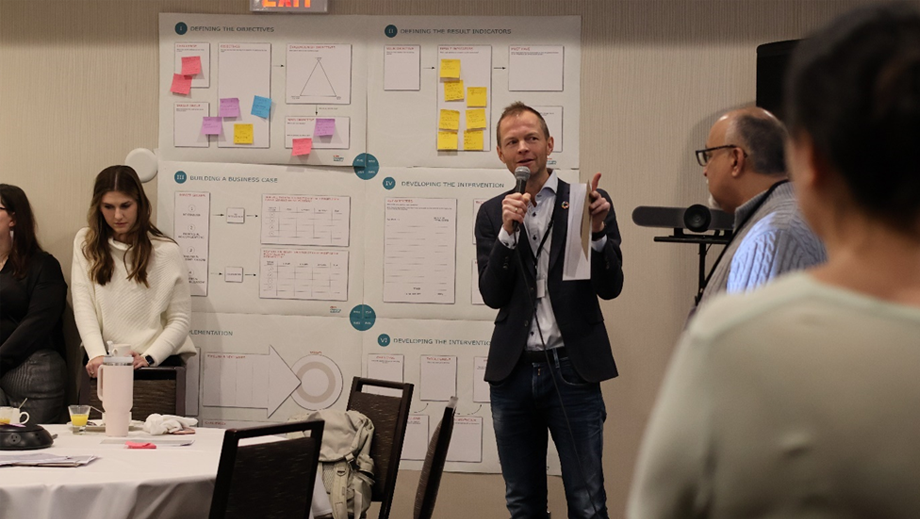
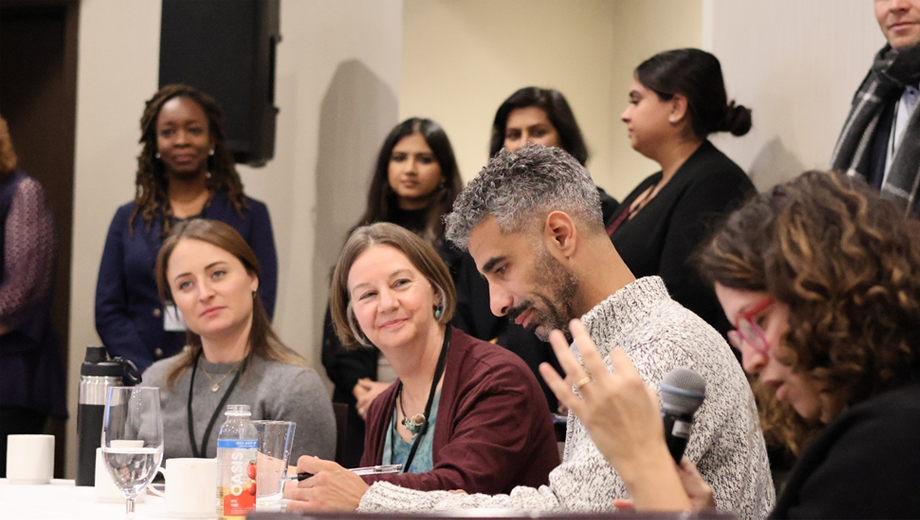
The event featured insightful talks by distinguished speakers, including Stephen Huddart, Adjunct Professor of the University of Victoria Gustavson School of Business, and Simone Gross, Managing Director at Maycomb Capital. A final pitch panel added depth to the discussions, consisting of prominent figures such as Erica Barbosa, Rebecca Waterhouse, Robin Wisener, Tamer Ibrahim, and Ed Long. Their expertise and diverse backgrounds enriched the dialogue on innovative funding approaches for NCD prevention.
“If you are
waiting for help,
help is not on the
way”
Following the Masterclass, Raven Indigenous Capital Partners hosted an Outcomes Finance Summit, further solidifying the commitment to improving lives for Indigenous communities. Jeff Cyr, Managing Director and CEO of Raven started the discussion by emphasizing that communities and people need to start helping themselves. The Summit served as a platform for collaboration and strategizing among stakeholders, reinforcing the shared goal of making a tangible impact in areas such as non-communicable diseases and climate change. As Simone Gross from Maycomb Capital noted from stage “Having worked with outcome-based financing for ten years, I have never been in a room with this many people interested in the topic”.

In conclusion, the Outcome-Based Financing for NCD Prevention Masterclass in Ottawa stands as a testament to the growing commitment to innovative and impactful approaches in health financing. By bringing together diverse perspectives, delegations, and influential speakers, the event has set the stage for continued collaboration and progress in the critical mission to prevent and control non-communicable diseases worldwide. As the outcomes of this collaborative effort unfold, it is anticipated that the lessons learned will inspire further adoption of outcome-based financing strategies in the broader global health community.