COPI kicks off in Mississauga
20 March 2025
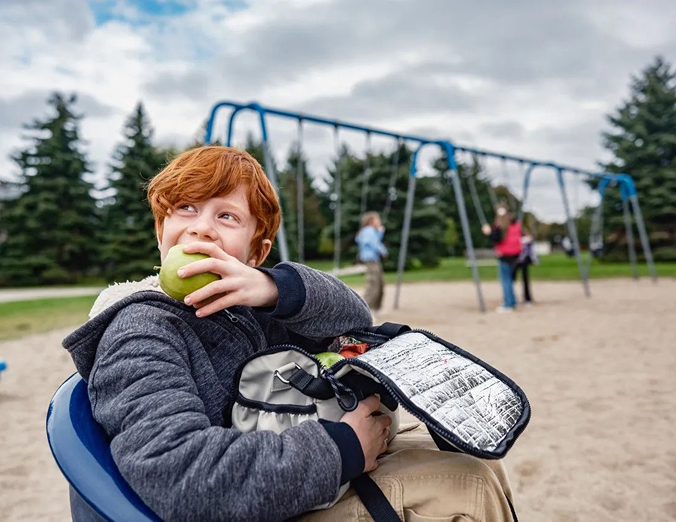
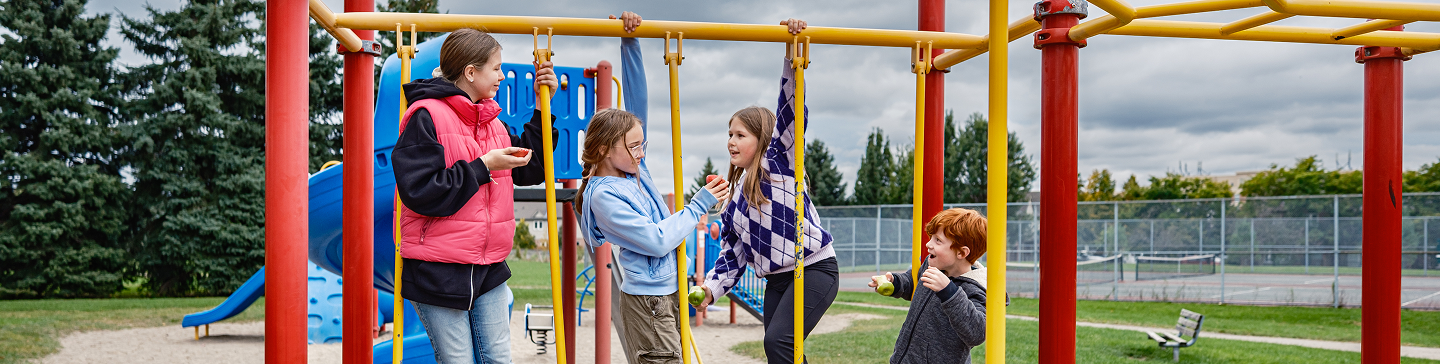
Cities for Better Health Childhood Obesity Prevention Initiative (COPI) is launching in Canada with Growing Healthy Places: Mississauga. The ambitious three-year project will engage with local communities to co-create environments that better support children’s well-being.
A child’s health should never be determined by where they live – but too often, it is. Around the world, access to nourishing food and safe spaces for physical activity remains out of reach and childhood obesity rates continue to rise.1 That’s why COPI is working to co-create solutions to improve the health and well-being of school-aged children from disadvantaged urban communities.
Breaking barriers to health
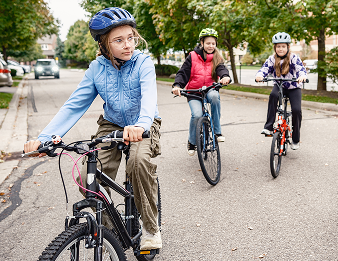
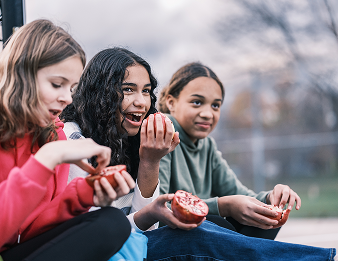
Right now, almost 1 in 5 Canadian families experience food insecurity, and only 39% of children aged 5–17 engage in enough daily physical activity.2,3 These disparities contribute to long-term health risks, including an increased likelihood of type 2 diabetes, cardiovascular disease and mental health issues later in life.
Together with local partners Ophea, 8 80 Cities and Brock University, the collaboration is taking a co-created, equity-driven approach to deliver a package of initiatives to increase access to nourishing food and safe places to be physically active. Schools, policymakers and community organisations will work together to shape evidence-based solutions that reflect the needs of children and families in Mississauga’s underserved neighbourhoods.
"Every student deserves access to evidence-based physical activity and food literacy programming, yet not all have this opportunity. Growing Healthy Places: Mississauga is dedicated to changing this by fostering culturally relevant and accessible supports for historically underserved communities," said Chris Markham, CEO of Ophea.
A global movement for healthier cities
Mississauga is one of the six cities shaping childhood obesity prevention through COPI, alongside interventions in cities across Australia, Brazil, Canada, Japan, South Africa and Spain. These cities are designing locally driven solutions to improve children’s health and create a blueprint for other cities to follow.
"By prioritising local partnerships and sustainable initiatives, COPI is establishing a new standard for how cities can collaborate to tackle childhood obesity. By collecting robust evidence and concrete insights, we can transform urban environments to better support children's health and well-being," said Jo Jewell, Cities for Better Health Programme Director.
COPI will be tracked and evaluated at multiple stages through 2028, providing ongoing insights and ensuring that successful actions can be scaled for even greater impact.
About the partners
Ophea
Ophea is a not-for-profit organisation that champions healthy, active living in schools and communities through quality programs and services, partnerships and advocacy. Our vision is that children and youth value and enjoy the benefits of healthy, active living.
8 80 Cities
8 80 Cities is a non-profit organisation based in Toronto, Canada. Our mission is to ignite action and challenge the status quo to create healthier, more equitable and sustainable cities for all people. We are dedicated to contributing to the transformation of cities into places where people can walk, bike, access public transit and visit vibrant parks and public places.
880cities.org.
Brock University
Brock University is a comprehensive institution with rich academic programmes and world-class research activity. With nearly 600 full-time faculty members and researchers, Brock's robust academic scope offers more than 70 undergraduate programmes and 50 graduate programmes in seven dynamic Faculties.
brocku.ca
- de Bont J, Márquez S, Fernández-Barres S, et al. Urban environment and obesity and weight-related behaviours in primary school children. Environment International. 2021/10/01/2021;155:106700. doi:https://doi.org/10.1016/j.envint.2021.106700
- Statistics Canada. Canadians are facing higher levels of food insecurity. 2025. https://www.statcan.gc.ca/o1/en/plus/6257-canadians-are-facing-higher-levels-food-insecurity
- ParticipACTION. 2024 Children and Youth Report Card. 2024. https://www.participaction.com/the-science/children-and-youth-report-card/