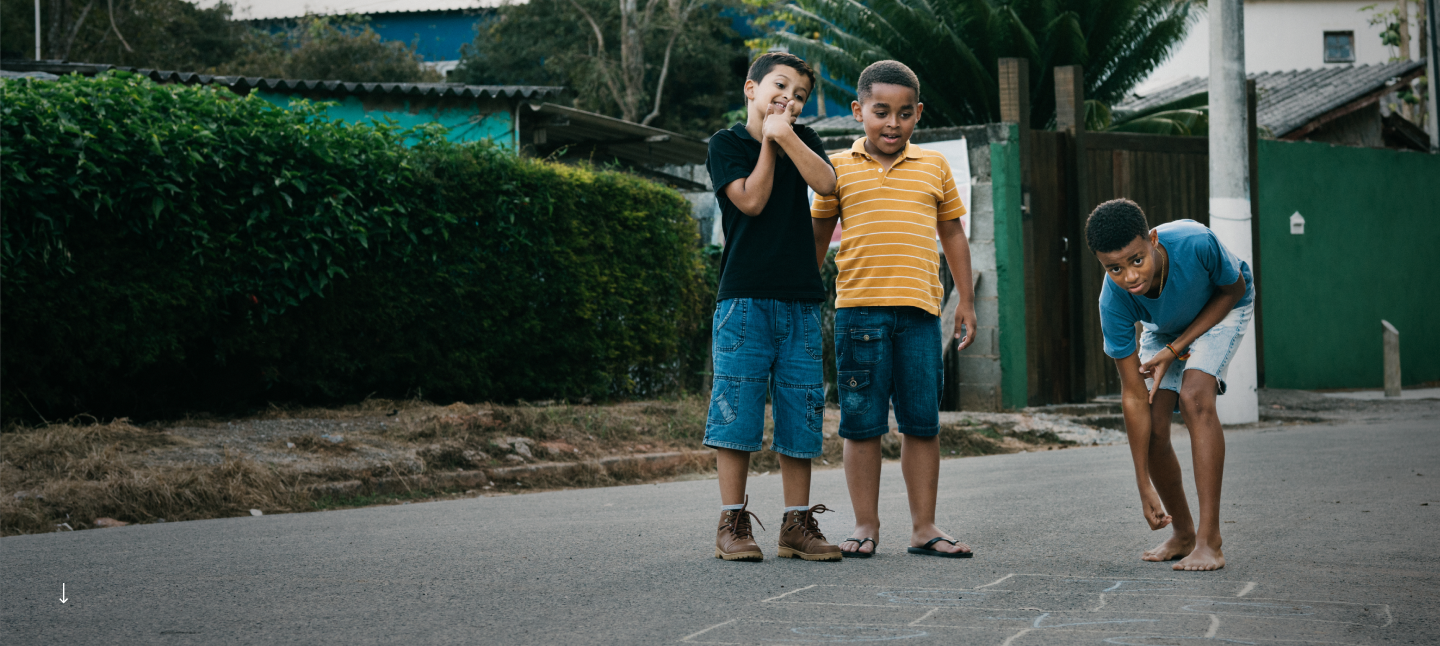

Helping cities create healthier childhoods
All children should have the opportunity to grow up healthy, regardless of who they are or where they live. Yet today, one in five children live with overweight or obesity, with those in underserved communities often facing the greatest barriers to health.3
The Childhood Obesity Prevention Initiative (COPI) works with six cities across Australia, Brazil, Canada, Japan, South Africa and Spain to design, implement and evaluate community-based approaches that support healthier outcomes for children in underserved urban communities.



How it works
COPI combines global evidence with local action. Working with communities and partners in each city, interventions are co-designed to reflect local priorities and realities while contributing to a shared evidence base and cross-city learning network.
All interventions are guided by four principles:

Dual focus on healthy food and physical activity
Addressing what children eat and how they move to increase potential impact.

Community-driven design
Co-developing interventions alongside local communities to support relevance and sustainability.

Multi-level action
Supporting healthier choices through building both enabling environments and individual agency, in the places that shape daily life.

Equity-oriented action
Focusing efforts in underserved communities where support is needed most.
Measuring impact
In each city, data are collected before the interventions begin, then one year after implementation and again after two years in order to measure:
- Food and physical activity behaviours
- Health-related quality of life
- Body mass index (BMI)
At each stage, the findings help strengthen interventions and build a shared understanding of what works in different schools and communities.

Who we work with
In each city, COPI brings together local governments, schools, researchers, community organisations and families to co-design and deliver interventions shaped by local needs.
The initiative is supported globally by Novo Nordisk, Delivery Associates and the Behavioural Insights Team, with the University of Oxford Nuffield Department of Primary Care Health Sciences as a global scientific partner.

Building healthier places for future generations
Unpacking the roots of childhood obesity in Johannesburg
Building healthier spaces and support systems in Mississauga