

Building healthier food environments
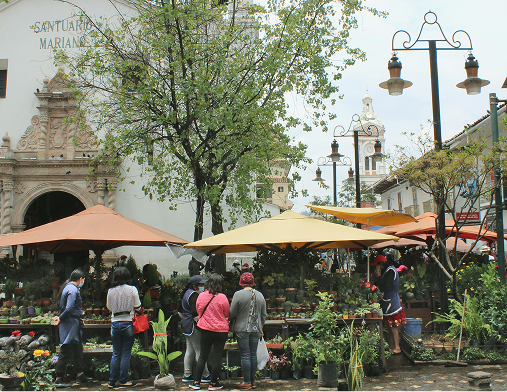
In many neighbourhoods, unhealthy food is often the easiest option to buy and consume, while fresh and nutritious food can be harder to access. Over time, these patterns contribute to rising rates of obesity, diabetes and other chronic diseases.1,2
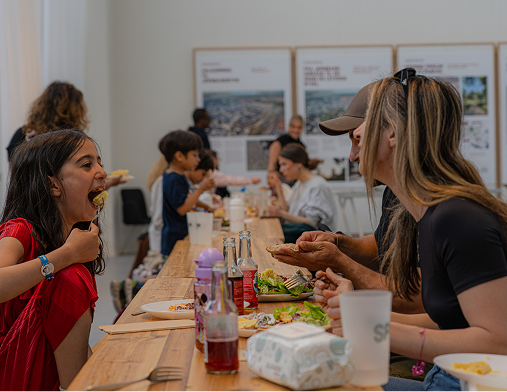
Children are especially affected, with sugary drinks and highly processed foods increasingly becoming part of daily life from an early age.3-5
Watch our short explainer on how food environments shape our everyday food choices.
We work with partners to make healthier food easier to find through schools, community initiatives and stronger neighbourhood food systems.
Cities in action




- Vilar-Compte M, Burrola-Méndez S, Lozano-Marrufo A, et al. Urban poverty and nutrition challenges associated with accessibility to a healthy diet: a global systematic literature review. International Journal for Equity in Health. 2021/01/20 2021;20(1):40. doi:10.1186/s12939-020-01330-0
- UNICEF. Children eating well in cities: A roadmap for action to support nutritious diets and healthy environments for all children in urban settings. 2020. https://www.unicef.org/media/89396/file/children-eating-well-in-cities.pdf
- Pries AM, Rehman AM, Filteau S, Sharma N, Upadhyay A, Ferguson EL. Unhealthy Snack Food and Beverage Consumption Is Associated with Lower Dietary Adequacy and Length-for-Age z-Scores among 12-23-Month-Olds in Kathmandu Valley, Nepal. J Nutr. Oct 1 2019;149(10):1843–1851. doi:10.1093/jn/nxz140
- Lara-Castor L, Micha R, Cudhea F, et al. Intake of sugar-sweetened beverages among children and adolescents in 185 countries between 1990 and 2018: population-based study. BMJ. 2024;386:e079234. doi:10.1136/bmj-2024-079234
- EAT, UNICEF. Making urban food environments fit for children. 2019;
