Super chefs on wheels
30 July 2026
Across public schools in Mexico, Nutrimóvil brings a mobile kitchen directly to children, giving them the chance to prepare, taste and discover healthy food. Cities for Better Health spoke with Cecilia De Bustos, Head of Nutrition at UNICEF Mexico, on what the programme reveals about children’s relationship with food and what it takes to turn curiosity into lasting change.
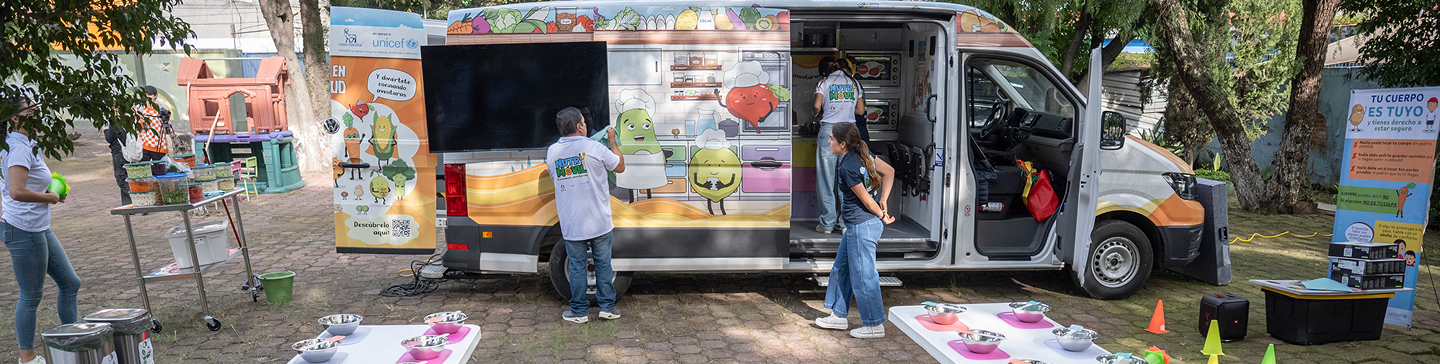
A van covered in cartoon vegetables pulls up outside a school in Mérida, Mexico. Within minutes, the playground has become an outdoor kitchen. Children pull on aprons and hairnets, crowd around tables piled high with fresh ingredients, and transform into “super chefs”.
On one chopping board sits a beetroot. Some of the children have never seen one before. Its deep purple colour looks unfamiliar, almost intimidating. But as the children begin chopping, tasting and laughing together, curiosity takes over. One bite later, the beetroot has become something entirely different: not something strange, but something worth eating.
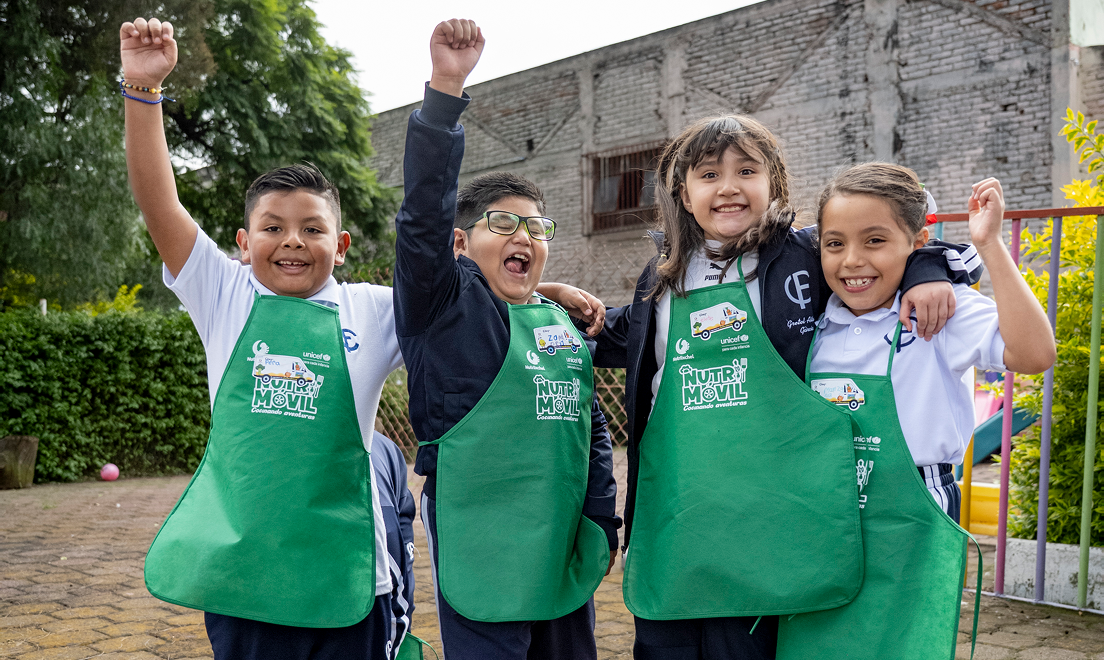
For Cecilia De Bustos, Head of Nutrition at UNICEF Mexico, that moment captures the programme's purpose. Children are not simply learning to cook. They are discovering that healthy food can be familiar, enjoyable and part of everyday life. Developed by UNICEF Mexico and Novo Nordisk, Nutrimóvil brings hands-on cooking sessions directly into public schools in Mérida and Mexico City. The premise is straightforward: children are more likely to enjoy healthy food when they prepare it themselves.
Cities for Better Health spoke with Cecilia about why cooking has become such a powerful tool for prevention, what surprised her most once the programme began, and what other cities can learn from Nutrimóvil.
Watch Nutrimóvil in action and see how the programme is helping children discover healthy food.
Cities for Better Health (CBH): Why did UNICEF decide to bring the kitchen to children?
Cecilia: Around 40% of children aged five to nineteen in Mexico are living with overweight or obesity, and many are growing up in urban environments where healthy choices are often harder to access than ultra-processed foods. Children are exposed to constant marketing of ultra-processed foods, with almost nothing pushing back.
When we looked more closely, one thing really stood out. Many rarely helped prepare meals and had little direct contact with fresh fruit and vegetables. We started asking ourselves: Can we bring the kitchen to children? Can we help them enjoy cooking and touching fresh ingredients? Could that experience influence what happens at home? That became the thinking behind Nutrimóvil.
CBH: What surprised you most once Nutrimóvil started visiting schools?
Cecilia: From the moment Nutrimóvil arrives, the excitement is obvious. But what surprised me most had nothing to do with food. In some schools, children immediately put up their hands and want to participate. In some of the most underserved communities, children can seem almost shocked when someone asks them to join in. They are simply not used to being asked to take part.
That is something I did not expect. It takes longer in some schools than others, but by the end, the children are talking, moving, dancing, and encouraging one another. It reminds us that the programme is doing much more than teaching children to cook.
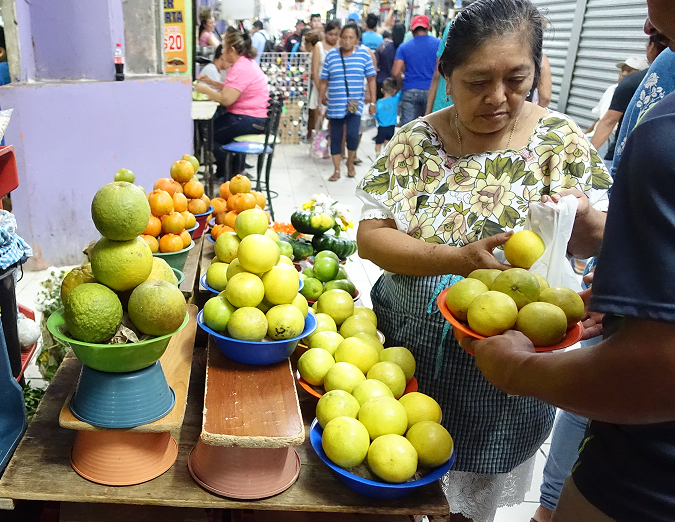
The beetroot illustrates the point. It had always been available in local markets, but many of the children had never encountered it because it had never reached the family table. Sometimes, healthy food is physically available but not yet familiar. Giving children the chance to prepare and taste healthy food changes that relationship. What was unfamiliar becomes something they are willing to try.
CBH: How do you help the excitement for healthy food continue at home?
Cecilia: Every child takes home a fridge magnet with a QR code linking to recipes, videos and a WhatsApp chatbot, making it easy for families to prepare meals together. Many leave eager to recreate the recipes at home, and sometimes they become the teachers – showing their families what they cooked and making it again.
We know one workshop will never change every family’s behaviour. But it can start conversations that continue at home.
CBH: Where does Nutrimóvil fit within the larger challenge of creating healthier food environments?
Cecilia: Cooking workshops can spark curiosity, but they cannot overcome unhealthy food environments on their own. Children leave the session and return to the same food environment, where ultra-processed foods are often cheaper, more visible and heavily promoted. That is why we have always seen it as one part of a much bigger effort.
For us, lasting change happens at three levels. The first is the environment in which children grow up. In 2025, Mexico banned ultra-processed foods and restricted their marketing in schools, helping create healthier spaces for children. The second is services like Nutrimóvil, which provide children with positive experiences with healthy food. The third is what happens at home, where children take that excitement back to their families.
Those layers reinforce one another. I often describe it as a David-and-Goliath challenge because we are encouraging healthier habits while the food industry spends millions making ultra-processed foods attractive to children. That is why healthy food has to become genuinely commercially competitive.
CBH: What would you say to other cities trying to build healthier food environments?
Cecilia: The most important lesson is not to copy the vehicle. It is to understand the experience. The mobile kitchen is one way of delivering that experience, but the same principles could work in school kitchens, community centres, or other local settings. What matters is creating opportunities for children to prepare, taste and enjoy healthy food for themselves.
No single programme will solve childhood obesity. What matters is bringing together policies that improve food environments, programmes that build children’s confidence and support that helps healthier habits continue at home.
As I sometimes say, the day UNICEF is no longer needed will be a day worth celebrating. The day every child can enjoy their right to adequate nutrition and all other rights without barriers or disadvantages will be the day we know our work is complete.
Cecilia De Bustos is Head of Nutrition at UNICEF Mexico. The Nutrimóvil: Cooking Adventures programme is delivered through a partnership between UNICEF Mexico and Novo Nordisk, implemented with Nutriixchel and the Government of Yucatán. Mexico City and Mérida are both members of the Cities for Better Health network.